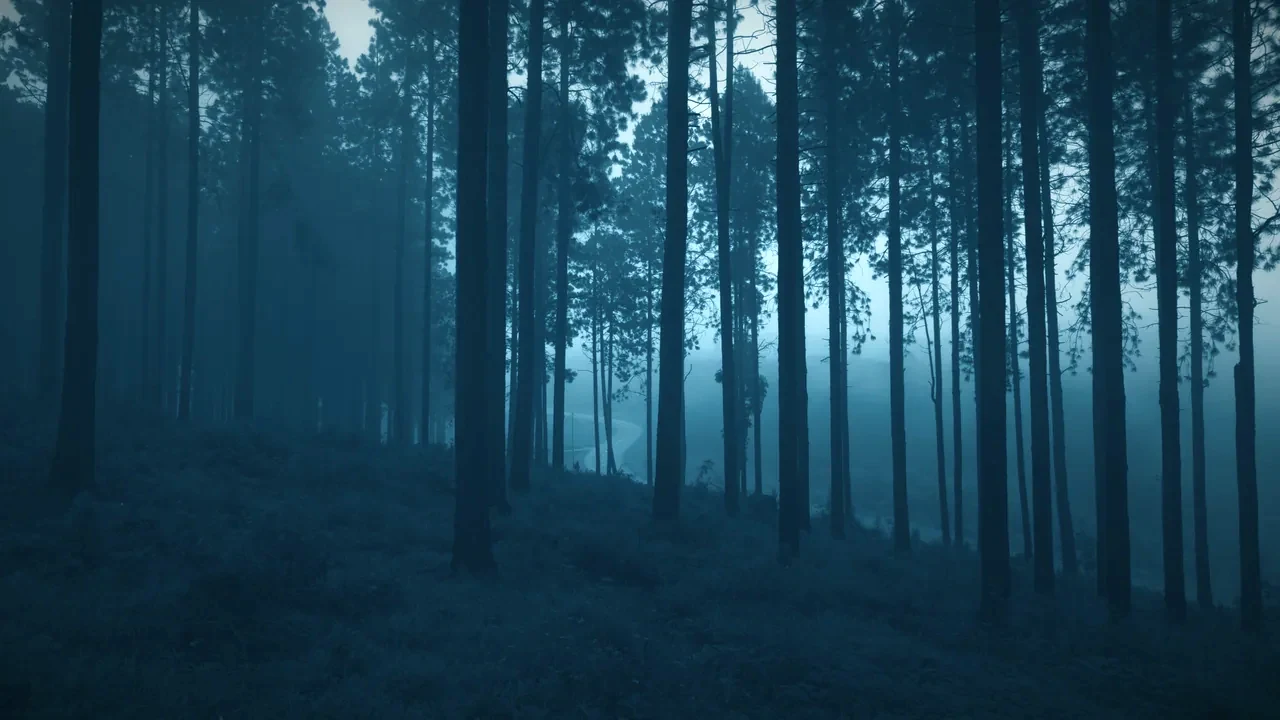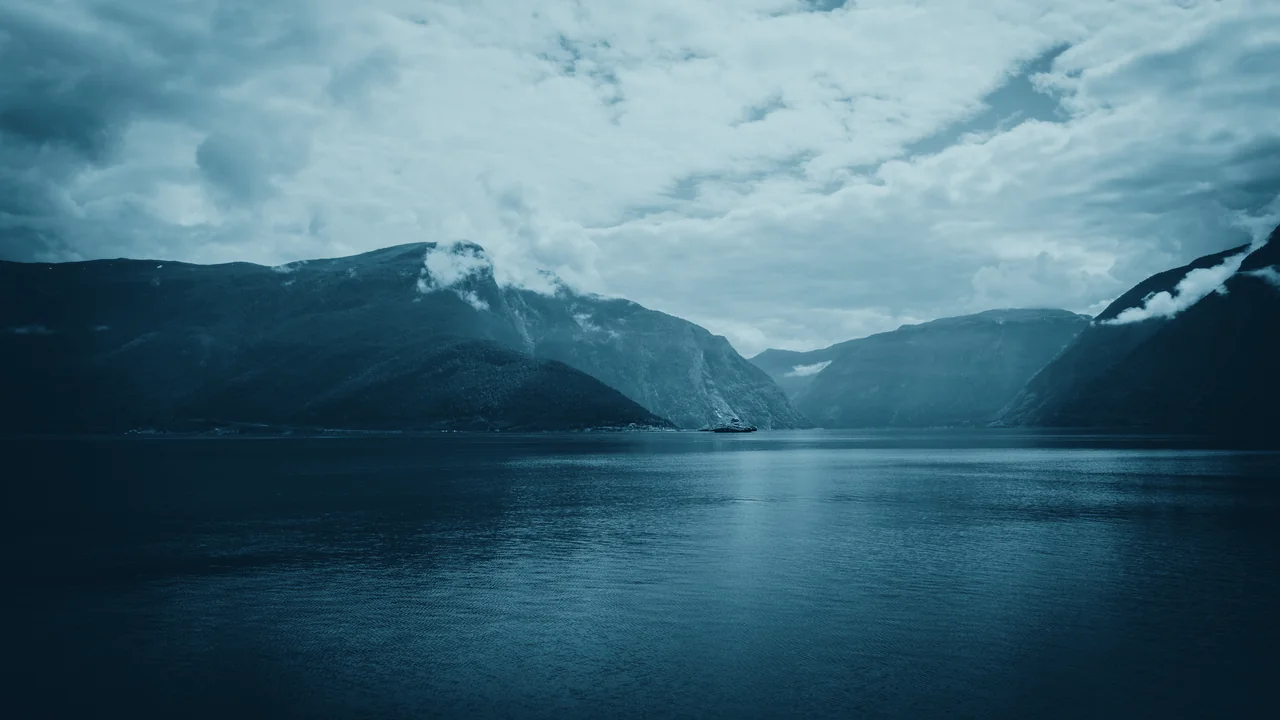
Norwegian bottled waters come from very different places: Voss from Iveland in southern Norway, Svalbarði from icebergs gathered near Longyearbyen on Svalbard, and FRØYA from groundwater at Vassryggen in Forsand, at the mouth of the Lysefjord in Rogaland. They share a country and fairly low published levels of calcium, magnesium and sodium, and not much else.
Why is Norwegian water usually soft?
Much of Norway’s drinking water is soft because its sources are low in dissolved salts. Vestfold Vann, a regional water company, says Norwegian surface water sources normally contain little salt and the water is called soft. Oslo’s tap water is about 2.5 °dH. That is tap water rather than bottled, but it sets the baseline: low mineral content is ordinary in Norway, and bottled waters have to be judged against that. Our post on soft water explains the units.
Where does Voss come from?
Not from Voss. Voss water is bottled at Vatnestrøm in Iveland Municipality, Agder, in the south of the country, which Wikipedia notes is more than 400 kilometres from Voss Municipality. The brand describes its water as artesian, from a source in southern Norway.
Its published analysis for the Norwegian still water gives calcium 2.7 mg/l, magnesium 0.61 mg/l, sodium 3 mg/l, TDS 40 mg/l and pH 5.8.
Where does Svalbarði come from?
Svalbarði is iceberg water. The brand says it gathers icebergs calved from glaciers around Svalbard and bottles the water in Longyearbyen, which it calls the world’s northernmost bottled water. Source ice can be up to 4,000 years old, according to its site. The published figures are TDS 21 mg/l and pH 6.
Where does FRØYA come from, and where is Forsand?
FRØYA is groundwater from Vassryggen in Forsand. The village sits on the Høgsfjord at the mouth of the 42-kilometre Lysefjord, in Rogaland, in the Ryfylke district of western Norway. About 559 people lived in the village in 2025. Forsand was a municipality of its own from 1871 until 2020, when it was split between Sandnes and Strand, and FRØYA’s address is Myrbakken 49, 4110 Forsand.
The Lysefjord is known for its cliffs of around 1,000 metres, such as Kjerag, and for Preikestolen, Pulpit Rock, now in Strand municipality. The water itself comes from a ridge that the analysis page says formed approximately 10,500 years ago during a glacial thrust. If you want the human side, the story page explains that the label was created in memory of the founder’s mother, who was born in Forsand.
The 2018 Eurofins analysis gives calcium 16 mg/l, magnesium 1.1 mg/l, sodium 4.8 mg/l, chloride 8.5 mg/l, sulfate 5.0 mg/l and pH 7.9. See what glacial water means for how the ridge fits in.
Is any of it Norwegian mineral water?
People search for “Norwegian mineral water” a lot, but “mineral water” is a regulated description under EU rules, which Norway applies through its own regulation. A natural mineral water has to be recognised, in Norway by Mattilsynet, and a spring water, kildevann, has to be approved too. The Eurofins report marks the FRØYA sample as spring water, and we don’t call FRØYA a natural mineral water. For the other brands, check how they describe themselves on their own labels, and see spring water vs mineral water for what each term requires.
What should you ask before buying any Norwegian water?
A few questions work for every brand, including ours.
- Where exactly is the water taken from, and where is it bottled? Voss shows why: the name is a place in western Norway, the bottling site is in the south.
- Is it natural mineral water, spring water or something else, and who approved it?
- Is there a dated analysis from a named laboratory?
- Does the brand say what its marketing words mean? Glacial, artesian, iceberg and pure are not the same thing, and our post on glacial water covers the first of them.
- Is the packaging recyclable where you live? We look at the trade-offs in glass vs plastic bottled water.
The point is not to pick on any brand. Brand names and photographs are chosen for marketing reasons, and the source line and the analysis are where the facts are.
How do the three compare?
On published numbers, calcium runs from 2.7 mg/l in Voss’s still water, to 16 in FRØYA. Sodium is 3 mg/l for Voss and 4.8 for FRØYA. TDS is 21 for Svalbarði and 40 for Voss, and FRØYA’s report gives no TDS, so we won’t quote one. The pH figures are 5.8 for Voss, 6 for Svalbarði and 7.9 for FRØYA.
We’re not going to rank them. The sources are different (artesian groundwater, iceberg ice, moraine groundwater), the analyses are from different dates and the methods vary. To compare any two waters yourself, our guide to reading a water analysis covers what to line up.
Frequently asked questions
Where does Voss water come from?
Voss is bottled at Vatnestrøm in Iveland Municipality, Agder, southern Norway, not in Voss Municipality, which is more than 400 km away.
What is the northernmost bottled water?
Svalbarði describes itself as the world’s northernmost bottled water. It is iceberg water gathered near Svalbard and bottled in Longyearbyen.
Where does FRØYA water come from?
FRØYA is groundwater from Vassryggen in Forsand, Norway, at the mouth of the Lysefjord in Rogaland, from a ridge formed approximately 10,500 years ago by glacial forces.
Is Norwegian water soft?
Generally yes. Norwegian water companies describe their surface water sources as low in salts, and Oslo’s tap water is about 2.5 °dH. By our calculation, FRØYA’s 2018 sample is similarly soft.
Is there a Norwegian natural mineral water?
Natural mineral water is a recognised category in Norway, approved by Mattilsynet. FRØYA’s sample is marked as spring water in the Eurofins report, and we don’t describe it as natural mineral water.
Sources
- VOSS: analysis table
- Wikipedia: Voss (brand)
- Svalbarði: the water
- Wikipedia: Forsand (village)
- Wikipedia: Forsand Municipality
- Oslo kommune: Drikkevannskvalitet (Norwegian)
- Vestfold Vann: Hardhet på vann (Norwegian)
- Forskrift om naturlig mineralvann og kildevann (Lovdata)
- FRØYA Eurofins analysis report AR-18-MO-004161-02 (PDF, three pages)
- FRØYA Water: water analysis page
- FRØYA Water: the story
Figures for FRØYA come from Eurofins report AR-18-MO-004161-02 (sample taken 20 March 2018, report dated 11 April 2018), which covers one sample. Figures for other brands are taken from the pages linked above and may have changed since. This article is general information about water, not medical advice.